
The First Warm Day Trap
Every year it happens the same way. The snow melts, the air softens, patios start opening, and suddenly people remember that life exists outside again. After months of parkas and grey skies, the first warm day feels like freedom.
And sunscreen is the last thing on anyone’s mind.
By the time I start seeing patients in early spring, I already know what is coming. Pink noses. Tender shoulders. A few sheepish admissions that they “did not think the sun was strong yet.”
It is one of the most predictable dermatology patterns of the year. The early spring sunburn.
Why People Forget Sunscreen in Spring
The problem is psychological more than meteorological.
Winter trains us to think of the sun as harmless. We spend months with limited daylight, heavy clothing, and very little exposed skin. When spring arrives, the sun feels gentle. The air is still cool. It does not feel like summer.
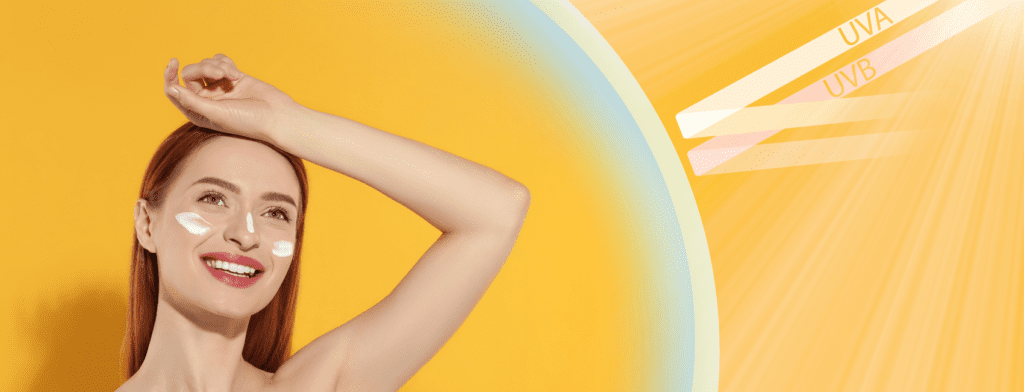
But ultraviolet radiation does not care how warm the air feels.
In fact, UV levels can rise quickly in early spring, even when temperatures are still low. If you live somewhere like Montreal, the angle of the sun changes rapidly after March. Daylight increases. UV exposure follows.
Your skin, however, has spent months out of practice.
After winter, melanin levels are low and skin is more vulnerable. That combination makes early spring one of the easiest times of the year to burn.
The Classic Spring Sunburn Scenario
Most spring sunburns happen during ordinary activities. Nothing dramatic.
People go for a walk. They sit outside for coffee. They clean the yard. They take the dog out for a long stroll.
Two hours later, they come inside and notice the same thing.
The nose is pink. The cheeks feel warm. The top of the ears are suddenly tender.
The mistake is simple. Sunscreen never entered the equation because it still “felt like spring.”
The Parts People Forget
Even people who are careful about sun protection in summer often forget certain areas in early spring.
I see burns most commonly on:
- The nose
- The tops of the ears
- The scalp along the hair part
- The back of the neck
- The upper chest
These areas receive direct sunlight during casual outdoor time, especially when people are not thinking about protection.
The scalp is a particularly common surprise. As the sun gets higher in the sky, that narrow hair part acts like a runway for UV exposure.
Spring Sun Is Not Harmless Sun
One of the biggest myths in dermatology is that strong sun equals hot weather.
The truth is simpler. UV radiation depends on the sun’s angle and intensity, not the temperature outside.
A cool April afternoon can deliver enough UV exposure to cause real skin damage.
Over time, those small exposures accumulate. Sun damage is not only about dramatic beach burns. It often develops from repeated everyday exposure that people barely notice.
A Simple Spring Habit
The solution is not complicated.
Once March arrives, sunscreen should return to the daily routine. Think of it the same way you think about brushing your teeth. Something automatic before leaving the house.
A broad spectrum SPF 30 or higher applied to the face, ears, neck, and chest is usually enough for everyday spring activity. If you plan to spend longer outside, reapply every two hours.
Hats also do more work than people realize. A simple brim can dramatically reduce UV exposure to the face.
A Dermatologist’s Spring Reminder
Spring is one of the most enjoyable seasons in Canada. After months of winter, everyone wants to be outside again. And they should be.
But the sun wakes up faster than we do.
Every year I remind patients of the same thing. The sun does not wait until July to start doing damage. By the time summer arrives, the exposure has already begun.
So enjoy the warmer days. Take the walk. Sit on the terrace.
Just remember the sunscreen before you go outside. Use it 12 months a year. Your skin will thank you later.