
Under Eye Truths
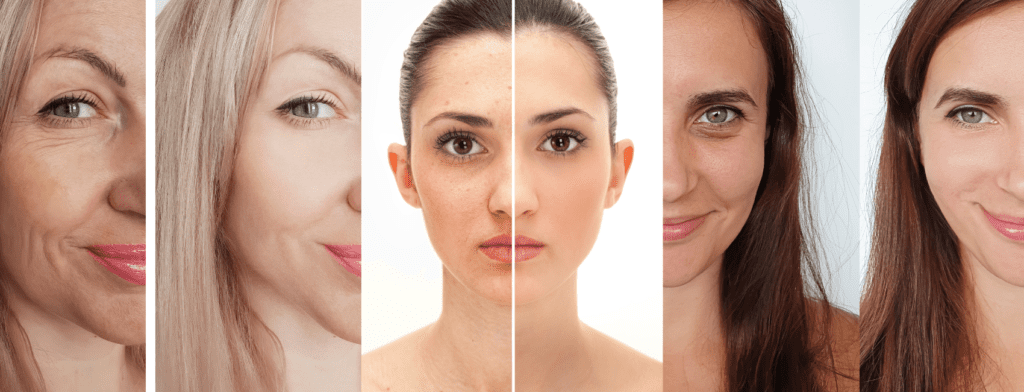
A friend called me over the weekend in full panic mode about her under eyes. People kept telling her she looked tired. She swore it was puffiness. I honestly did not remember her ever having puffy eyes, so I told her to FaceTime me. The verdict surprised both of us. It was not puffiness at all. It was hollowness. Indented. Slightly shadowed. The kind of thing that tricks the eye into thinking you are exhausted even when you are not. And here is the good news. Hollowness is often fixable without surgery. That is why this matters. Puffiness and hollowness are not the same problem, and treating the wrong one can make things worse. Let’s break it down like friends do, not like a medical textbook. Puffiness vs Hollowness Why It Matters Puffiness is fullness. Think fluid retention, fat pads that have shifted, allergies, salt, genetics, mornings after a bad sleep. Puffiness pushes outward. Hollowness does the opposite. It caves inward. The tear trough deepens, light hits oddly, shadows form, and suddenly people ask if you are okay. This distinction matters because filler helps hollowness, not puffiness. If you inject filler into true puffiness, you can end up looking heavier or swollen. Nobody wants that. Why Hollowness Can Make You Look Tired When the under eye loses volume, the skin thins and the area darkens. Even with perfect sleep, your face reads as fatigued. Makeup sits strangely. Concealer creases. Photos feel unforgiving. My friend thought she needed ice packs and eye creams. What she actually needed was an expert eye to tell her what was really going on. Filler Can Help But Only If You Are the Right Candidate I asked Dr. Frohar, who is known for being exceptionally precise with under eye treatments. Her answer was refreshingly honest. Not everyone is a candidate. You have to be assessed properly. Skin thickness, anatomy, degree of hollowing, and how your face moves all matter. Sometimes filler is perfect. Sometimes it is not the right solution. Sometimes a conservative approach is everything. That is why I told my friend to book a proper consultation instead of guessing in the mirror. When filler is done well in the under eye, the change is subtle but powerful. You still look like you. Just rested. Softer. Brighter. This is where before and after photos really matter. Not dramatic transformations. Just believable results that show what correction looks like, not exaggeration. What If You Are Not Ready for Filler Here is where makeup becomes your best friend. Hollowness can be visually tricked with the right concealer technique. This is where most people go wrong. They put concealer directly into the hollow. That actually highlights the indentation. The Better Trick You apply concealer slightly below and slightly above the hollow. Not inside it. By brightening the surrounding area, you reduce the contrast that creates the shadow. The hollow becomes less obvious without being filled. Think illusion, not coverage. Use a lightweight, hydrating concealer. Avoid thick formulas that settle into fine lines. Set minimally. Too much powder makes hollows look deeper. This technique does not replace filler, but it can make a noticeable difference, especially if your hollowness is mild. Make sure you do not go downwards with the concealer, go outwards, which essentially is straight across. When to Book a Consultation If people keep telling you that you look tired and you are not.If concealer never quite works.If eye creams feel like they are doing nothing. That is when an assessment matters. At KANDL, we see this all the time. People come in convinced they have under eye bags. They leave realizing it was hollowness all along. And once you know what you are dealing with, the solution becomes much clearer. The Takeaway Under eyes are tricky. Puffiness and hollowness look similar to the untrained eye, but they are opposites. Treating the wrong one leads to disappointment. The right diagnosis changes everything. Sometimes the answer is filler. Sometimes it is makeup technique. Sometimes it is simply reassurance. Either way, you do not have to guess. And you definitely do not have to live with looking tired when you are anything but. If this sounds familiar, book a consultation. Let us look at your under eyes properly. Your face deserves that level of attention.
Winter Skin Talk From My Office
Hi, I’m Dr. Mathieu Powell, and if your skin has been acting strangely lately, welcome to winter. This is the season where lips crack, cheeks sting, hands age ten years overnight, and everyone swears their usual routine has suddenly betrayed them. It has not. Winter just plays by different rules. Let’s walk through what is happening to your skin right now, what you can do about it, and why this is quietly the best season of the year for laser and IPL treatments. Why Winter Is Hard on SkinCold air holds very little moisture. Indoor heating finishes the job. Together, they strip water from your skin and weaken the barrier that normally keeps things calm. What I see most in winter: · Dry, tight skin that feels uncomfortable after cleansing · Flaking around the nose, eyebrows, and mouth · Redness and irritation, especially for rosacea prone skin · Eczema flare ups on hands and legs · Lips that never seem to recover If your skin suddenly feels sensitive to products you have used for years, that is normal this time of year. Simple Winter Skin Care That Actually Works This is not the season for complicated routines. Winter skin responds best to consistency and restraint. Cleanse GentlyIf your face feels tight after washing, your cleanser is too harsh. Look for non foaming or cream cleansers. Once a day cleansing at night is often enough. Choose warm showers rather than hot ones. Hot water strips the skin of its natural oils and can worsen dryness and irritation. Cleanse only what needs cleansing. Daily washing should focus on the face, armpits, and genital area. Overwashing the rest of the body can contribute to dry, itchy skin. Moisturize Like You Mean ItWinter moisturizers should contain ceramides, glycerin, hyaluronic acid, or shea butter. Apply while skin is still slightly damp. That timing matters. Protect the BarrierThis is not the moment to over exfoliate. Limit acids and retinoids if your skin is irritated. If you use them, buffer with moisturizer. Do Not Skip SunscreenSnow reflects light. Winter sun still damages skin. Broad spectrum SPF every morning, even when it is cloudy. Hands and Lips Need Their Own PlanHand cream by every sink. Lip balm before bed, every night, no exceptions. Add Moisture to the AirConsider using a humidifier in the bedroom. Adding moisture to the air overnight helps support skin hydration during the winter months. Winter Skin Problems I Treat Most Often Patients often come in worried something is wrong. Usually, it is just winter doing its thing. Common visits include: · Eczema flare ups · Rosacea worsening with cold exposure · Perioral dermatitis triggered by dryness · Cracks on fingertips that will not heal · Dull skin tone and uneven texture The good news is that most of these improve quickly once we adjust skincare and calm the barrier. On Another Note: Why Winter Is the Best Time for Laser and IPL This is the part patients are always surprised by. Winter is ideal for laser and IPL treatments because there is less sun exposure. Less sun means lower risk of pigmentation issues and better healing. Laser and IPL can help with: · Sun damage and brown spots · Redness and broken capillaries · Uneven skin tone · Texture and early signs of aging · Hair reduction You heal indoors, bundled up, and by the time summer arrives, your skin is clearer and more even. Think of it as quiet preparation. If you have been considering treatment but keep postponing, winter is your window. A Final Word From Me If your skin feels different in winter, it is not failing you. It is asking for a little extra support. Simplify, moisturize generously, protect the barrier, and take advantage of this season for treatments that need low sun exposure. And if you are unsure what your skin actually needs, that is what we are here for. Sometimes the most helpful thing is a calm, professional eye and a plan that makes sense for your life. Your skin will thank you by spring.
2026 Diet Goals and Why Everyone Is Talking About Weight Again
Every January it’s the same soundtrack. Weight. Diet. Calories. Protein. Shots. Someone’s cousin lost twenty pounds. Someone else swears they’re never eating bread again. By the time January rolls around, losing weight starts to feel like a group project we never agreed to join. This year feels louder than most. If I had to summarize what I’m hearing every day in my office, it’s this. Everyone wants to lose weight. Everyone is talking about it. And everyone wants to know what actually works in 2026. Why Weight Loss Peaks Every New Year There is something about the calendar flipping that makes people ambitious and slightly unhinged. We’ve just come through the holidays, the cheese, the wine, the cookies that appeared every time we turned around. Suddenly we are standing in front of the mirror negotiating with ourselves. This is when diet culture sneaks back in, but with a modern glow up. Less cabbage soup. More science. More medications. More buzzwords. And yes, GLP-1 medications are now part of the conversation whether people admit it or not. GLP-1 Medications Are Everywhere Let’s be honest. This is what people want to talk about. GLP-1 medications have become the dinner party whisper and the group chat headline. Patients are curious. They want to know how they work. They want to know if they are safe. They want to know why weight loss suddenly feels less like punishment and more like biology. The short version is this. These medications help regulate appetite, slow digestion, and reduce cravings. For some people, they quiet the constant food noise they have battled for years. For others, they are simply one more tool. They are not magic. They are not for everyone. And they are absolutely not a shortcut without responsibility. But pretending they are not part of the 2026 weight loss conversation would be unrealistic. Dieting Looks Different Now What I find interesting is how dieting itself has changed. Fewer people are chasing extremes. More people are asking better questions. How do I feel?Can I sustain this?Will this make me miserable? Protein still matters. Movement still matters. Sleep matters far more than most people want to admit. But the shame around food feels quieter. There is more curiosity and less moral judgment. That alone feels like progress. The Pressure Is Real and So Is the Noise Here is the part patients often struggle to say out loud. Weight loss talk is exhausting. Especially when it feels unavoidable. Social media turns January into a before and after factory. Everyone has a plan. Everyone has an opinion. And somehow you are expected to listen politely while deciding if any of it applies to your actual life. It is okay to want to lose weight. It is also okay to want peace with food. Those two things are not opposites, even if they are often framed that way. Setting Realistic Diet Goals for 2026 The most reasonable goal this year is not perfection. It is sustainability. Something you can live with.Something that does not turn food into an enemy.Something that fits your real life, not a fantasy version of it. Whether that includes lifestyle changes, medical support, GLP-1 medications, or none of the above, the best plan is the one built for you. Talk to Your Doctor If weight loss is on your mind this year, you are not alone. It always peaks in January. What matters most is how you approach it. Before chasing trends or advice from the internet, have a real conversation with your doctor. Talk about your goals, your health history, and what actually makes sense for you. 2026 does not need another crash diet. It needs calmer, smarter conversations about health. And honestly, a little less noise would not hurt either.