
Why Medical Grade Skincare Matters

Walk into any pharmacy or beauty store and you will see shelves packed with creams, serums, masks, and miracle promises. Every product claims to smooth, tighten, brighten, or erase something. The truth is that most of these products sit in the same category. They are cosmetics. They are designed to feel nice, smell good, and give a temporary glow. So many times I buy products just because it says blur or smooth. But does it work? I have no idea , I think it is more a placebo effect. On the other hand, when people want real changes in their skin, that is where medical grade skincare becomes important. Medical grade skincare is not just marketing language. It reflects real differences in formulation, testing, and effectiveness. If you have ever wondered why dermatologists and medical aesthetic clinics insist on certain products, the answer usually comes down to three things: concentration, penetration, and evidence. What Is Medical Grade Skincare Medical grade skincare refers to products that are formulated with higher concentrations of active ingredients and are designed to penetrate deeper layers of the skin. Unlike many over the counter creams, these formulations are developed with clinical data and often distributed through medical professionals such as dermatologists, plastic surgeons, or aesthetic clinics. This matters because the skin is not a sponge. It is a barrier. Many cosmetic products sit on the surface and wash away. Medical grade products are designed to move past that outer barrier and interact with the skin where collagen, pigmentation, and inflammation actually occur. In simple terms, they are built to do something rather than simply moisturize. Higher Concentrations of Active Ingredients One of the biggest differences between medical grade and traditional skincare is the strength of the ingredients. Over the counter products often contain active ingredients in very small amounts. Sometimes they are included mainly so the brand can list them on the label. A retinol cream might technically contain retinol, but at such a low concentration that it barely changes the skin. Medical grade skincare typically contains clinically effective concentrations of ingredients such as: Because these ingredients are stronger, they are also formulated to be stable and safe when used correctly. This is why they are often recommended by professionals who understand how to build a proper skincare routine. Better Absorption Into the Skin Another major difference is how deeply the product penetrates the skin. Many cosmetic creams are formulated with large molecules that remain on the outermost layer of the skin. This can make the skin feel smooth or hydrated temporarily, but it does not address deeper issues like wrinkles, pigmentation, or acne. Medical grade skincare products use delivery systems that allow ingredients to reach deeper layers where they can stimulate collagen, regulate oil production, or reduce inflammation. Think of it this way. A surface cream is like polishing a table. It looks shiny for a moment. Medical grade skincare is closer to repairing the wood underneath. This deeper penetration is what makes these products particularly helpful for people dealing with: Clinical Testing and Evidence One of the reasons dermatologists trust medical grade skincare is that these products are often clinically tested. Many brands invest in trials that measure real results over time. They look at improvements in pigmentation, elasticity, hydration, and wrinkle depth. This kind of testing helps ensure the formulas actually perform the way they claim. In contrast, cosmetic skincare marketing is often driven more by trends and packaging than by science. A cream may promise dramatic anti aging benefits without any real evidence behind it. Medical grade skincare focuses more on long term skin health rather than quick cosmetic fixes. Professional Guidance Makes a Difference Another advantage of medical grade skincare is that it usually comes with professional guidance. Skin is complicated. Two people with acne may have completely different causes. One might need exfoliation, while another needs calming ingredients to reduce inflammation. When skincare is recommended by a trained professional, the routine can be tailored to the person’s skin type, medical history, and treatment goals. This is especially important if someone is also receiving treatments such as: Using the right skincare alongside these procedures can dramatically improve results and help maintain them over time. Long Term Value for Your Skin At first glance, medical grade skincare can appear more expensive than drugstore products. But when you consider the concentration of active ingredients and the effectiveness of the formulas, many people find they actually use less product and see better results. Instead of buying multiple creams that do very little, a targeted routine with proven ingredients can support healthier skin in the long run. For anyone serious about improving skin quality, reducing signs of aging, or managing conditions like acne or pigmentation, medical grade skincare is often the smarter investment. The Bottom Line Not all skincare is created equal. While many cosmetic products can hydrate the skin or provide a temporary glow, medical grade skincare is designed to work at a deeper level. With stronger active ingredients, better penetration, and clinical evidence behind many formulations, these products offer a more effective approach to long term skin health. For people who want real changes in their skin rather than quick cosmetic fixes, medical grade skincare provides a science based path to healthier, stronger, and more resilient skin.
Botox Before and After – Everything you need to know
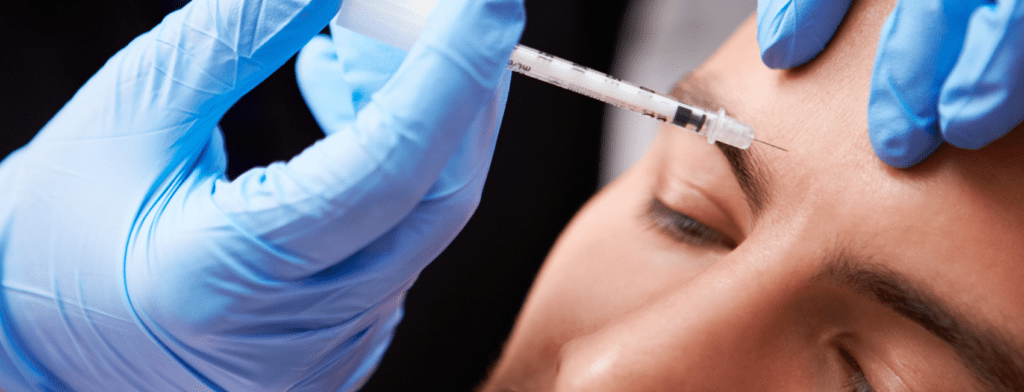
Many people have come to our clinic wanting Botox and whispering the same confession. I want to look better, but I do not want that frozen face. And I definitely do not want big lips. Somewhere along the way, Botox and filler got thrown into the same cosmetic soup. They are not the same thing. Not even close. So let me walk you through this the way I would if we were sitting in the waiting room together and I had already done it. Botox vs Filler Let’s clear this up first because Google needs it and so do we. Botox relaxes muscle movement. Filler adds volume. Botox softens expression lines. Filler fills hollow areas. If you are worried about looking puffy or having oversized lips, that is filler territory. Botox does not make lips bigger. It does not plump cheeks. It simply relaxes the muscle that is creating a wrinkle. Two different tools. Two completely different outcomes. What Is Botox Actually Botox is the brand name for onabotulinumtoxinA. It temporarily relaxes targeted muscles. When the muscle cannot contract as strongly, the skin above it stops folding as deeply. Over time, lines soften. It is most commonly used cosmetically for forehead lines, frown lines between the brows, crow’s feet, bunny lines, chin dimpling, and neck bands. It does not change who you are. It just quiets the overachievers in your face. Botox Is Not Just Cosmetic Here is something most people do not realize. Botox was used medically long before it became a wrinkle treatment. Beyond smoothing lines, it is also used for chronic migraines, excessive sweating underarms, hands, or feet, jaw clenching and TMJ, neck spasms, eye twitching, gummy smile correction, and even slimming a strong masseter muscle. For migraine sufferers, it can reduce headache frequency. For people who sweat through clothing even in winter, it can be life changing. For chronic jaw tension, it can relieve pressure and protect teeth from grinding damage. Same product. Different goal. Different injection points. Different dosing. That is why experience matters. Who Is It For Botox is for someone who notices lines that stay even when the face is at rest, feels makeup settling into forehead lines, looks tired or angry even when feeling perfectly pleasant, or simply wants subtle, natural softening. It is not about looking twenty. It is about looking less tense. Before Botox This is the part people overthink. A proper consultation matters. Your injector should look at how your face moves. You will be asked to frown, raise your eyebrows, smile. It feels mildly ridiculous but it is important. Every face is different. The goal is balance, not paralysis. Preparation is simple: What the Treatment Feels Like The treatment itself takes about ten to fifteen minutes. The needle is tiny. You will feel quick little pinches. Most people say it is easier than they expected. No sedation needed. No downtime required. You walk out looking exactly the same, maybe with tiny mosquito bite bumps that disappear within twenty minutes. You can go back to work immediately. After Botox Here is what no one tells you. You will stare at yourself in the mirror for three days wondering if it is working. Day one or two, nothing dramatic. Day three to five, you start noticing less movement. By day seven to fourteen, you see the full effect. It does not happen instantly. It gradually settles in. What you will notice is that your forehead moves less but still moves. Makeup sits better. The deep crease between your brows softens. You look rested. You should still look like you. Just calmer. Does It Freeze Your Face Only if it is overdone. A conservative, skilled injector uses the right dose for your anatomy. The goal is softened expression, not blank expression. When someone says Botox looks bad, it is almost always a dosing issue, not the product itself. How Long Does Botox Last Typically three to four months. The first time, it may wear off slightly sooner. With consistent treatments, some people find they need it less frequently. It fades gradually. You do not wake up one day with everything crashing back. Botox Before and After Results The best before and after results are subtle. You should not see a different person. You should see softer lines, smoother skin, relaxed expression, same personality. If someone can tell you had Botox from across a room, it was too much. Final Thoughts Botox is not about freezing your face or chasing youth. It is about softening what bothers you. It is also a medical tool with real therapeutic uses, which should make you feel better about how well studied it is. If you are curious but nervous, that is normal. Ask questions. Look at natural results. Choose experience over discount pricing. Once you understand what Botox is and what it is not, the fear usually melts away.
Spring Reset Without the Guilt

A Real Conversation About Body Contouring, RF Treatments, and Letting People Live Spring Is When Everyone Suddenly Has Opinions Every year, like clockwork, spring arrives and something strange happens. The weather gets lighter. Coats come off. And society collectively decides it is time to talk about bodies again. Not health. Not strength. Not how good it feels to move more because the sidewalks are finally clear of snow. Bodies. Too thin. Too heavy. Trying too hard. Not trying enough. Caring too much. Not caring at all. It is exhausting. We live in a culture that is completely obsessed with weight and appearance, yet strangely judgmental of anyone who admits they want to change something about themselves. If you want to lose weight, someone calls it vanity. If you accept your body as it is, someone calls it neglect. If you exercise, you are trying too hard. If you do not, you are not disciplined. There is no winning that game, so perhaps it is time we stop playing it. The Truth Is People Are Allowed to Want What They Want There is nothing radical about wanting to feel comfortable in your own skin. There is nothing controversial about taking care of yourself. And there is certainly nothing wrong with choosing treatments that help you get there. If someone eats well, moves their body, takes care of their health, and still wants help with stubborn areas that refuse to cooperate, that is not failure. That is biology. Genetics, hormones, aging, pregnancies, stress, and metabolism all leave their fingerprints. You can live a very healthy lifestyle and still feel frustrated by areas that do not reflect how you feel. Wanting to address that does not make someone shallow. It makes them human. And equally important, choosing not to address it is just as valid. Live and let live should not be such a difficult concept. Why Spring Is the Perfect Time for Body Contouring Treatments Spring is naturally a season of reset. People reorganize closets, open windows, start walking again, and return to routines that feel energizing after a long winter. It is also an ideal time to consider non surgical body contouring because these treatments work gradually and naturally. Results build over weeks as the body responds to the stimulation and begins its own repair processes. By starting in spring, patients allow their bodies time to respond well before summer. There is no rush, no dramatic change overnight, just a steady progression that fits into real life. What Is RF Body Contouring and How Does It Work Radiofrequency body contouring, often called RF treatment, uses controlled energy to gently heat the deeper layers of the skin. This process stimulates collagen production, improves skin elasticity, and helps tighten areas where skin has lost firmness over time. At the same time, RF technology can target fat cells in specific zones, encouraging the body to naturally process and eliminate them. The result is smoother contours and firmer skin without surgery, downtime, or disruption to daily routines. This is not a weight loss solution. It is a refinement tool. Think of it as helping the body do what it already wants to do, just more efficiently. Patients typically use RF body contouring to address areas such as: These are extremely common concerns, yet people often whisper about them as if they are admitting to something embarrassing. They are not. The Guilt Around Aesthetic Treatments Needs to Go One of the most surprising things we hear from patients is not concern about the treatment itself. It is guilt. They say things like, “I feel silly doing this.”Or, “I should just accept it.”Or even, “I hope people do not think I am being vain.” Since when did self care become something that requires justification? We do not shame people for hiring a trainer.We do not criticize someone for seeing a physiotherapist.We do not judge people for coloring their hair or wearing glasses. Yet when someone chooses a non invasive treatment that helps them feel more confident, suddenly it becomes a moral debate. Confidence is not vanity. Feeling comfortable in your body is not indulgent. These are part of overall wellbeing. Our Approach Is About Health First, Always At our clinic, we approach body contouring responsibly and realistically. Treatments like RF are never presented as shortcuts or replacements for healthy habits. They are complementary tools. We encourage patients to eat well, stay active, sleep properly, and maintain realistic expectations. Body contouring works best when it is part of a balanced lifestyle, not a substitute for one. We use two advanced technologies designed to support skin tightening and contour refinement safely and effectively. These treatments are chosen because they work with the body, not against it. No extremes. No dramatic claims. Just science supporting natural processes. Body Positivity Should Include Choice The conversation around body image has evolved, but sometimes it swings too far into another kind of pressure. People now feel they must prove they are completely unconcerned with appearance in order to be accepted. That is not freedom either. True body positivity means respecting every person’s choice.Choosing to embrace change is valid.Choosing not to change is valid.Taking action is valid.Doing nothing is valid. Health is personal. Confidence is personal. Decisions about your body should remain personal. What Patients Can Expect From RF Body Contouring RF treatments are comfortable, quick, and require no recovery time. Most sessions feel like a warm massage. Patients return to work, exercise, or daily life immediately afterward. Results develop progressively as collagen rebuilds and tissues respond. Skin appears firmer, texture improves, and treated areas look more refined rather than altered. There is no dramatic reveal. Just subtle, natural looking improvement that aligns with how patients want to feel. Let Spring Be About Feeling Good, Not Explaining Yourself As we move into spring, perhaps the healthiest shift is not physical at all. Perhaps it is letting go of the commentary, the judgment, and the constant need to explain personal choices. Take care of
Aging Is Rude

Let me say it plainly. Aging sucks. It sneaks up on you while you are busy living your life, raising kids, working, loving people, losing people, laughing, surviving. Then one morning you catch your reflection in unforgiving bathroom lighting and think, wait, when did that happen. The lines. The sag. The tired look that sleep no longer fixes. Aging skin does not ask permission. We are told to age gracefully, which is an irritating phrase if there ever was one. Graceful according to whom. According to lighting designers. According to Instagram filters. According to people who got lucky genetically and act morally superior about it. Wrinkles, fine lines, volume loss, texture changes, sun damage. These are not character flaws. They are biology. Gravity plus time. And still, it can feel deeply personal. The Guilt Spiral Here is where it gets complicated. You feel bad about how you look. Then you feel bad about feeling bad. You tell yourself there are bigger problems in the world. You are healthy. You are loved. Why are you obsessing over your face. But aging is not just vanity. It is identity. Your face is how the world reads you and how you read yourself. When it changes faster than your internal sense of self, there is grief. Real grief. For the version of you that felt familiar. So yes, aging is hard. And yes, it is possible to care about that and still be a decent human being. The Hard Truth About Erasing Times Let us be honest for a second. Short of a facelift, nothing truly erases aging. That is not pessimism. That is reality. No cream, no laser, no injectable turns back the clock completely. What they can do is help. They soften. They support. They restore a bit of what time has taken. Think improvement, not erasure. Maintenance, not miracles. Once you accept that, everything becomes healthier. Botox and the Wrinkle Conversation Botox gets a bad reputation because people notice it when it is overdone. When done well, it is subtle. Botox relaxes muscles that cause expression lines. Forehead wrinkles, frown lines, crow’s feet. It does not freeze your soul. It just quiets the overactive parts. It works best as prevention and softening. Deep etched lines will not vanish, but they can look calmer. Less angry. Less exhausted. And sometimes that is enough to feel like yourself again. Filler and Volume Loss Aging is not only about wrinkles. It is also about deflation. Cheeks flatten. Temples hollow. Under eyes sink. Filler replaces lost volume and restores structure. Good filler is invisible. It does not shout. It whispers. The goal is not to look different. The goal is to look rested, supported, like you had a good year instead of a hard one. Used carefully, filler can lift without surgery. Used carelessly, it can do the opposite. This is where expertise matters more than trends. Microneedling With RF and Texture Texture is the sneaky part of aging skin. Pores look bigger. Skin looks thinner. Makeup stops sitting nicely. Microneedling with RF targets collagen deep in the skin. It tightens, firms, and improves texture over time. This is not instant gratification. This is slow, cumulative change. Better skin quality. More bounce. Less crepey areas. It is one of the few treatments that actually works with your biology instead of just covering things up. IPL and Sun Damage Sun damage loves to announce itself later in life. Spots. Redness. Uneven tone. IPL helps clear pigmentation and redness, making skin look brighter and more even. It does not change structure, but it changes how healthy your skin looks. And healthy looking skin reads younger even when wrinkles remain. So What Can Be Done You can do nothing. That is valid. You can do a little. That is valid. You can do a lot. Also valid. The key is honesty. With yourself. With your provider. With your expectations. Aging is not a failure. Wanting to look better is not shallow. It is human. The real goal is not to look younger. It is to look like yourself again. Softer. Less tired. More comfortable in your own skin. Aging may be inevitable. Misery about it does not have to be.
Under Eye Truths
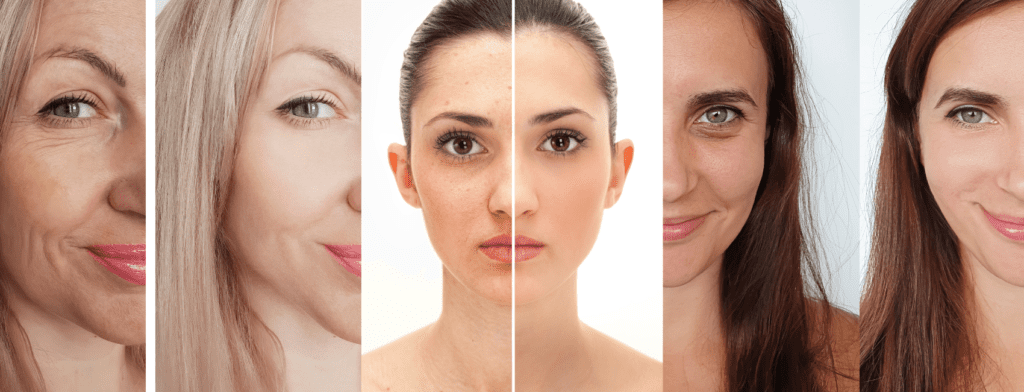
A friend called me over the weekend in full panic mode about her under eyes. People kept telling her she looked tired. She swore it was puffiness. I honestly did not remember her ever having puffy eyes, so I told her to FaceTime me. The verdict surprised both of us. It was not puffiness at all. It was hollowness. Indented. Slightly shadowed. The kind of thing that tricks the eye into thinking you are exhausted even when you are not. And here is the good news. Hollowness is often fixable without surgery. That is why this matters. Puffiness and hollowness are not the same problem, and treating the wrong one can make things worse. Let’s break it down like friends do, not like a medical textbook. Puffiness vs Hollowness Why It Matters Puffiness is fullness. Think fluid retention, fat pads that have shifted, allergies, salt, genetics, mornings after a bad sleep. Puffiness pushes outward. Hollowness does the opposite. It caves inward. The tear trough deepens, light hits oddly, shadows form, and suddenly people ask if you are okay. This distinction matters because filler helps hollowness, not puffiness. If you inject filler into true puffiness, you can end up looking heavier or swollen. Nobody wants that. Why Hollowness Can Make You Look Tired When the under eye loses volume, the skin thins and the area darkens. Even with perfect sleep, your face reads as fatigued. Makeup sits strangely. Concealer creases. Photos feel unforgiving. My friend thought she needed ice packs and eye creams. What she actually needed was an expert eye to tell her what was really going on. Filler Can Help But Only If You Are the Right Candidate I asked Dr. Frohar, who is known for being exceptionally precise with under eye treatments. Her answer was refreshingly honest. Not everyone is a candidate. You have to be assessed properly. Skin thickness, anatomy, degree of hollowing, and how your face moves all matter. Sometimes filler is perfect. Sometimes it is not the right solution. Sometimes a conservative approach is everything. That is why I told my friend to book a proper consultation instead of guessing in the mirror. When filler is done well in the under eye, the change is subtle but powerful. You still look like you. Just rested. Softer. Brighter. This is where before and after photos really matter. Not dramatic transformations. Just believable results that show what correction looks like, not exaggeration. What If You Are Not Ready for Filler Here is where makeup becomes your best friend. Hollowness can be visually tricked with the right concealer technique. This is where most people go wrong. They put concealer directly into the hollow. That actually highlights the indentation. The Better Trick You apply concealer slightly below and slightly above the hollow. Not inside it. By brightening the surrounding area, you reduce the contrast that creates the shadow. The hollow becomes less obvious without being filled. Think illusion, not coverage. Use a lightweight, hydrating concealer. Avoid thick formulas that settle into fine lines. Set minimally. Too much powder makes hollows look deeper. This technique does not replace filler, but it can make a noticeable difference, especially if your hollowness is mild. Make sure you do not go downwards with the concealer, go outwards, which essentially is straight across. When to Book a Consultation If people keep telling you that you look tired and you are not.If concealer never quite works.If eye creams feel like they are doing nothing. That is when an assessment matters. At KANDL, we see this all the time. People come in convinced they have under eye bags. They leave realizing it was hollowness all along. And once you know what you are dealing with, the solution becomes much clearer. The Takeaway Under eyes are tricky. Puffiness and hollowness look similar to the untrained eye, but they are opposites. Treating the wrong one leads to disappointment. The right diagnosis changes everything. Sometimes the answer is filler. Sometimes it is makeup technique. Sometimes it is simply reassurance. Either way, you do not have to guess. And you definitely do not have to live with looking tired when you are anything but. If this sounds familiar, book a consultation. Let us look at your under eyes properly. Your face deserves that level of attention.
Holiday Face Planning

The holidays sneak up like a relative you swear you blocked last year. One minute you are crunching leaves under cute boots, the next you are in a change room under fluorescent lighting asking yourself why your face suddenly resembles an under-hydrated peach. I always think I have time. I always think, oh, I will schedule that laser next week. Then next week becomes the week I am stress-eating Ferrero Rochers and wondering why my skin looks like it survived a dust storm. So, here is the honest seasonal planning guide. No lectures, no moral superiority. Just realistic steps so you do not panic-book a peeling laser treatment three days before the office party and show up looking like a lizard who wants to network. First, timing. Aesthetic treatments have their own pacing. You cannot rush collagen, the same way you cannot rush a teenager to move out. Botox takes around 7 to 14 days to settle. Fillers need a week to stop giving that subtle puffy look. Laser treatments can take a couple of weeks for redness to fade and results to appear. So if you are thinking about sprucing up before holiday gatherings, give yourself a comfortable runway. Rule of thumb: Now, skincare. Skincare is the part people either take too seriously or not seriously at all. For the holiday stretch, the basics are non-negotiable: vitamin C in the morning, retinol at night, moisturizer that does not smell like candy but actually hydrates, and sunscreen. Yes, sunscreen. Even if it is cold. Even if the sun looks like it took the season off. The sun is still up there, plotting. All your expensive treatments will work better and last longer if you do not fry your collagen under sneaky winter rays bouncing off snowbanks. It is like protecting your investments. Except instead of stocks and bonds, it is your face. If you are dealing with dryness because the heat indoors has the humidity level of a dehydrated museum, add hyaluronic acid and drink water. I know, drinking water feels like cliché advice printed on wellness mugs. But dehydration shows up on your skin faster than regret after a second martini. Let us also talk about holiday stress because it is its own cosmetic villain. Stress tightens your jaw, clenches your teeth, raises your shoulders to earlobe height, and pulls your entire face toward the center. I can feel my face contracting just thinking about the dysfunctional dinners. If you get jaw tension or grinding, Botox can help the masseter muscles relax. It does not change your personality, just your jawline and your ability to not snap a fork while chewing turkey. And sleep. I once thought I could cheat sleep by buying expensive eye cream. I now know that eye cream is like hiring a therapist after a breakup. Helpful, but it cannot undo the damage if you are still texting your ex at 2 am. Sleep is the cheapest beauty treatment. It is also the most annoying because you cannot buy it in a chic bottle. But it works. The holidays are also a time when we eat things we normally pretend we do not eat. Salt, sugar, alcohol. I am not telling you to abstain. I am not here to ruin the only time of year when cheese is considered a meal. Just hydrate and maybe walk around a little so your body does not feel like it was embalmed in brine. One more thing. Do your maintenance for yourself, not for the in-laws, coworkers, cousins you see once every five years, or that one person who always says you look tired. There is a special place in hell for people who tell others they look tired. You do this because you like how you feel when your skin looks luminous and your forehead has stopped folding like origami. So, think ahead. Give your treatments time. Love sunscreen like it is a religion. Sleep like it is your job. Drink water, even when you wish it were Prosecco. And enjoy the holidays with your nicest face forward, not your panicked one. Your future December self will thank you.
Why and Who Does Your Filler Matter

A story that walked through our doors The other day, a woman came into our clinic to see one of our doctors. She was visibly upset, and when we asked what was wrong, she told us about a recent filler appointment. She had gotten her lips and cheeks done at a place that promised the same results for half the price. Instead of a doctor, the injections were done by someone introduced as a nurse. At first, the discount felt like a win. But within days, she noticed hard bumps in her cheeks that did not move. Her skin became red and painful. She ended up in the emergency room, terrified that her face was ruined forever. The worst part? She later discovered the injector was not a nurse at all. She had no credentials. None. Why credentials count There is a reason fillers and Botox are classified as medical treatments. They are not just beauty quick-fixes. They involve needles, anatomy, and real risks. Knowing exactly where to inject and how deep matters. Knowing how to handle complications is even more critical. Doctors who practice aesthetics are trained not only in the artistic side of creating balance and symmetry but also in the medical realities. They know what to do if something goes wrong. A discount injector without training does not. What we did to help When she came to us, her cheeks were swollen, lumpy, and infected. The only safe way forward was to slowly dissolve the filler. We used hyaluronidase, an enzyme that melts away hyaluronic acid filler, but this process had to be done carefully over time to avoid damaging her tissue. She was incredibly fortunate. If the harmful injections had been Botox instead of filler, there would have been no antidote. Botox cannot be reversed once injected. The hidden cost of a bargain Saving 50 percent feels great until it costs you 500 percent more in correction, treatment, and stress. Infections, lumps, and vascular occlusion (when filler accidentally blocks a blood vessel) are real risks. When you are in safe hands, the chances of something happening are minimal, and if something does happen, your doctor knows exactly how to manage it. How to protect yourself If you are considering filler or Botox, here are a few quick things to check before letting anyone near your face: The bottom line Aesthetic medicine can do wonders for confidence when it is done properly. But your face is not the place to cut corners. That woman’s experience is unfortunately common, and it is precisely why we believe treatments should only be performed by qualified medical professionals. Cheap filler is never cheap once you add the cost of fixing it.
The Truth About PRP: What It Is, What It Does, and Why Everyone’s Obsessed
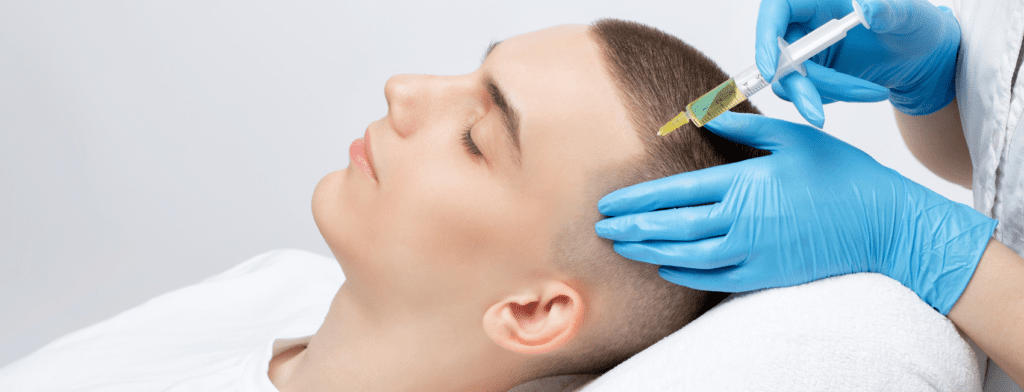
You’ve heard of the “Vampire Facial,” but what’s really behind the hype? This article breaks down exactly what PRP (Platelet-Rich Plasma) is, how it’s used to treat everything from dull skin to thinning hair, and what to expect before, during, and after this natural, glow-boosting treatment.
Microneedling in Montreal: My Personal Experience with This Skin-Rejuvenating Treatment
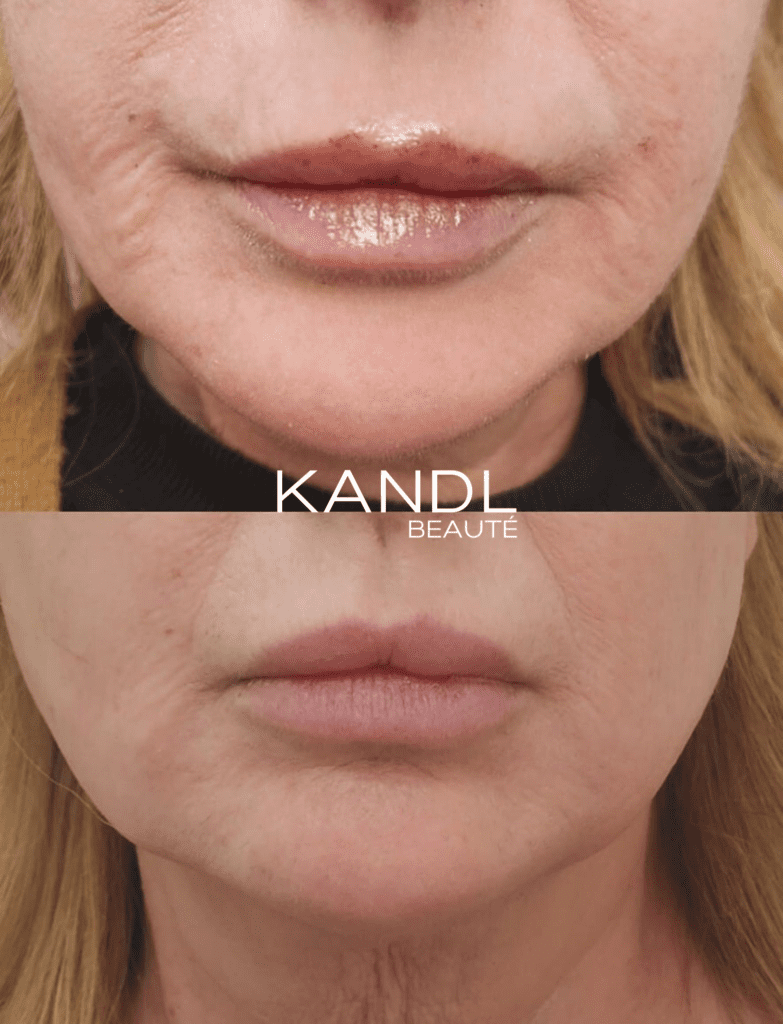
A candid microneedling story from Joy. Discover how this gentle, effective treatment helped revive her skin and confidence.